
Chronic conditions need more than occasional attention when symptoms appear. They need consistent monitoring, clear clinical insight, and a care plan that reflects their current health. An annual physical exam gives you the opportunity to check important changes, review risk factors, and address concerns before they become harder to manage.
At Central Coast Direct Medical Care, our annual physical exams in San Luis Obispo County are designed to support chronic disease care through thorough evaluations, appropriate testing, and patient-centered guidance, helping you stay informed, proactive, and better prepared to protect your long-term health.
Why is an annual physical exam important for managing chronic conditions?
An annual physical exam is important for managing chronic conditions because it helps your provider monitor health changes, review medications, assess risk factors, and adjust your care plan when needed.
A Yearly Baseline Makes Health Changes Easier to Understand
A baseline is one of the most useful tools in long-term care. It gives providers a point of comparison when something changes. Weight, heart rate, blood pressure, lung sounds, skin findings, swelling, pain patterns, and lab values can all tell a story when compared with previous results.
This matters because chronic conditions often move gradually. A mild change in kidney labs may not seem urgent on its own, but it may matter more in someone with diabetes, high blood pressure, or a history of medication use that can affect kidney function. A slightly elevated blood pressure reading may carry a different meaning when paired with weight changes, stress, sleep problems, or family history.
Annual exams help organize those details into a clearer picture. Instead of treating each number as separate information, the provider can review the full clinical context.
Checking Risk Factors That Often Overlap
Many chronic conditions are connected. Diabetes, hypertension, high cholesterol, heart disease, obesity, and kidney disease often share risk factors and can influence one another. That is why chronic condition management works best when the whole person is reviewed, not just one diagnosis.
For example, diabetes management may include more than checking glucose or A1C. A provider may also consider blood pressure, cholesterol, kidney function, foot symptoms, eye health, nutrition patterns, and medication tolerance. For a patient with elevated blood pressure, the visit may include hypertension screening, home reading review, heart and kidney risk assessment, and a discussion about sodium intake, activity, sleep, and stress.
This does not mean every patient needs every test at every visit. It means the annual exam gives the provider a chance to decide which checks are appropriate based on age, medical history, symptoms, risk level, and current guidelines.
Medication Reviews Can Prevent Avoidable Problems
Medication needs can change as health changes. A treatment that worked well several years ago may need a dosage adjustment, a timing change, or a safety review. Annual exams are a good time to bring an updated list of prescription medications, over-the-counter drugs, vitamins, and supplements.
This review can uncover issues that are easy to miss during shorter problem-focused visits. A patient may be taking two medications that affect blood pressure, using a supplement that interacts with a prescription, or skipping doses because of side effects or cost. Some patients continue medications that may no longer be needed. Others may need stronger support because their condition is no longer controlled.
A thoughtful medication review is about confirming that each medication still has a clear purpose, is being taken correctly, and fits the patient’s current health picture.
Screenings Help Detect Problems Before Symptoms Develop
Screenings are a core part of preventive medicine, especially for people with chronic conditions. During an annual physical, the provider may recommend blood tests, urine testing, cancer screenings, heart health checks, vaccines, or referrals based on the patient’s risk profile.
Good screening is selective. It considers the patient’s age, sex, family history, prior results, chronic diagnoses, and any new symptoms. A person with diabetes may need monitoring for kidney changes, nerve symptoms, cardiovascular risk, and eye-related concerns. A person with high blood pressure may need periodic review of kidney function, heart health, and medication effects.
Screenings also help confirm what is going well. Stable results can show that a care plan is working, which can be just as important as finding a problem.
The Physical Exam Still Matters
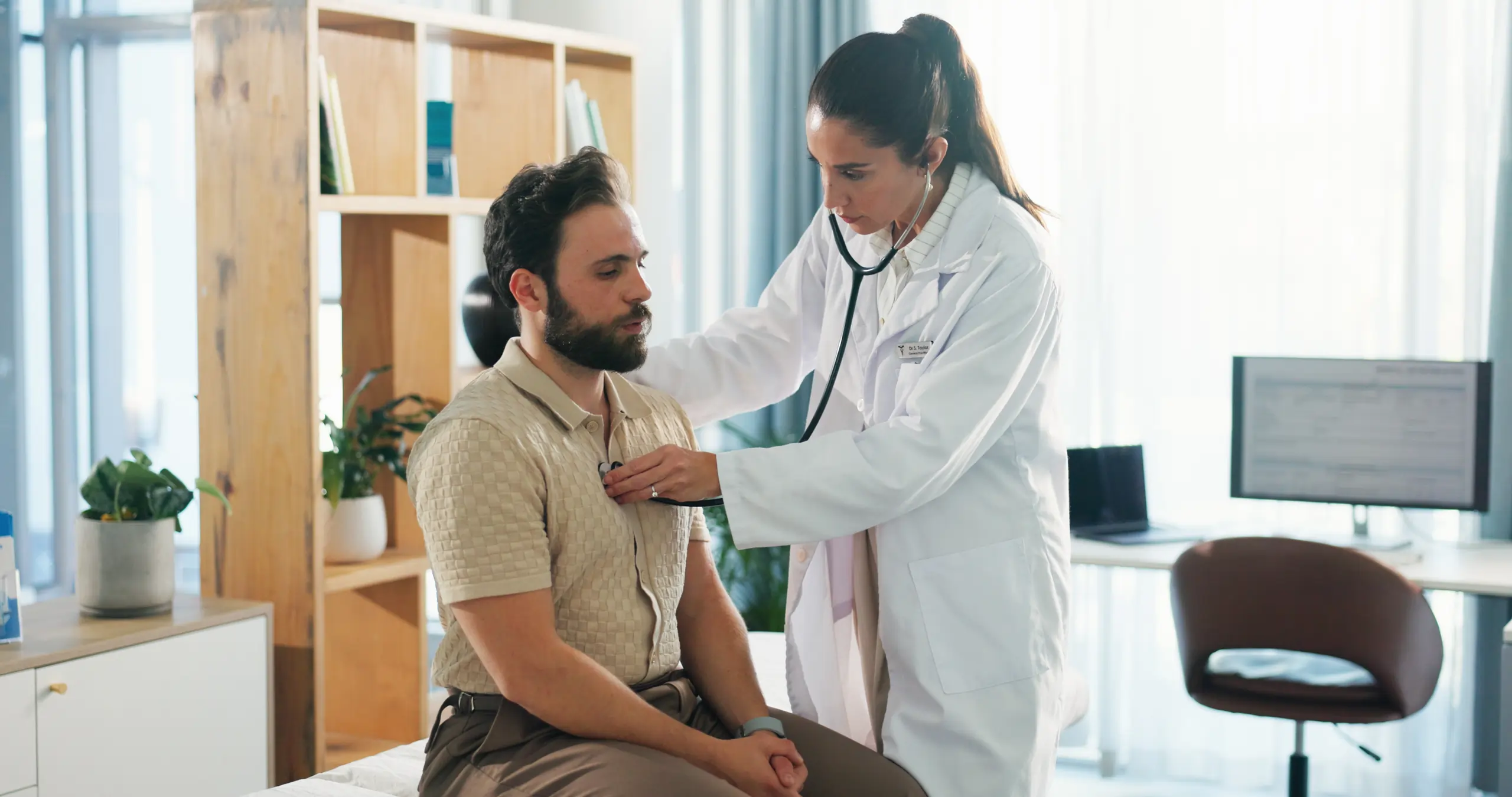
Lab work is useful, but it cannot replace a hands-on clinical exam. A provider can notice findings that may not show up in a blood test, such as swelling in the legs, irregular heart rhythm, wheezing, skin changes, tenderness, changes in circulation, balance concerns, or signs of thyroid enlargement.
These findings may lead to earlier evaluation or help explain symptoms the patient did not connect to a chronic condition. Shortness of breath with activity, numbness in the feet, frequent urination, dizziness, sleep changes, and persistent fatigue all deserve context. The annual exam provides time to place those symptoms within the larger health picture.
Making Follow-Up More Focused
An annual exam often leads to a clearer follow-up plan. Some patients may only need routine yearly monitoring. Others may need lab rechecks, medication adjustments, home blood pressure tracking, referrals, imaging, lifestyle counseling, or a shorter follow-up interval.
This is where the yearly visit becomes practical. It helps answer questions such as: What should be watched closely? Which numbers are stable? Which symptoms need more attention? Are there barriers that make the care plan difficult to follow? Does the patient need help coordinating care with a specialist?
A good plan should be specific enough to guide the next step, but realistic enough for the patient to follow.
Central Coast Direct Medical Care Annual Physical Exam in San Luis Obispo County
At Central Coast Direct Medical Care, annual physical exams focus on clinical assessment and disease detection. For patients in San Luis Obispo County, these visits are designed to evaluate overall health status, identify concerning findings, and establish a useful baseline for ongoing monitoring.
During the visit, our team will perform a detailed physical examination, review medical history, assess vital signs, and evaluate body systems. Diagnostic testing may be recommended when clinical findings, symptoms, history, or risk factors suggest that more information is needed.
This approach supports chronic disease care by giving patients and providers a structured way to review health changes over time. It also keeps the visit grounded in the patient’s actual clinical picture rather than a generic checklist.
Schedule your exam to keep chronic conditions under control.
Frequently Asked Questions
How often should I schedule an annual physical exam?
Most adults should schedule an annual physical exam once a year, although patients with chronic conditions may need additional follow-up visits based on their provider’s recommendation.
Can an annual physical exam help with diabetes management?
Yes, an annual physical exam can support diabetes management by reviewing blood sugar trends, medication use, kidney function, circulation, and related health risks.
Why is hypertension screening important during a physical exam?
Hypertension screening is important because high blood pressure can develop without noticeable symptoms and may increase the risk of heart, kidney, and vascular problems.